
The World Customs Organization (WCO) designated 26 January as World Customs Day. Each year, this day is dedicated worldwide to the work of customs organizations and their contribution to protecting society. The theme for 2026 is: “Customs protecting society through vigilance and commitment.”
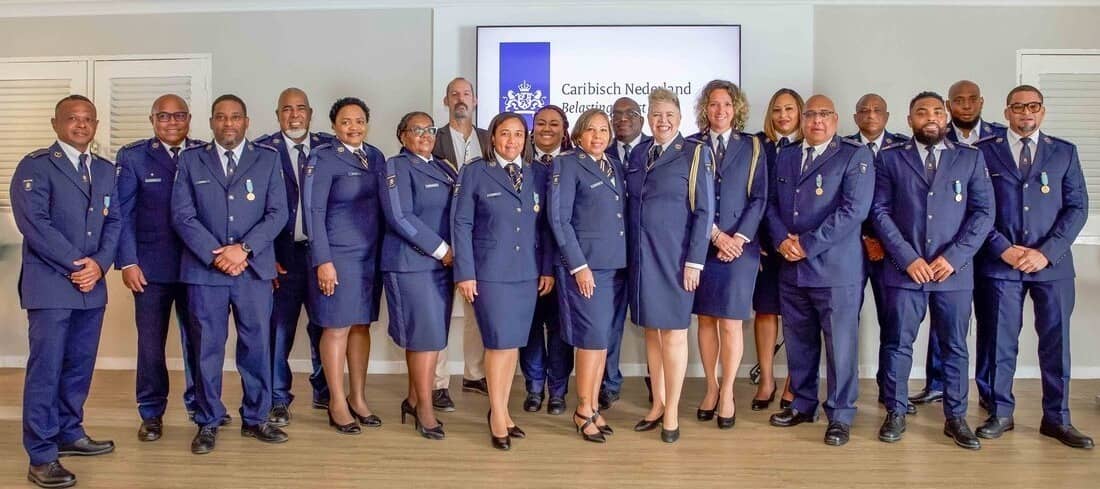
World Customs Day 2026
On World Customs Day, the importance of Customs for security, legality, and fair trade is recognized worldwide. In 2026, Customs Caribbean Netherlands (Bonaire, St. Eustatius and Saba) will serve as host. On Bonaire, delegations will be welcomed from Curaçao, Aruba, the Netherlands and Suriname.
On Monday, 26 January, an official ceremony will take place on the occasion of World Customs Day. This day will focus on networking, professionalism and international cooperation, in line with the societal role of Customs.
Around World Customs Day, various activities will be organized for the participating customs officers during the period from 22 to 26 January. These activities focus on:
- Knowledge exchange,
- Cooperation within the region,
- And deeper engagement with the shared theme of the WCO.
Throughout the week, customs officers will engage in discussions about their role in protecting society, combating illegal flows of goods and facilitating legitimate trade. During workshops and meetings, experiences will be shared, and reflections will take place on working in an international and Caribbean context.
In addition, there will be room for informal interaction and connection, including through cultural and sporting activities, which contribute to mutual understanding and cooperation.
A special place in the program is given to the performance ‘Grenzeloos’ (“Borderless”), which has previously been staged within the Netherlands Customs. The performance invites reflection and dialogue about working in Customs and its significance for society.
Customs Caribbean Netherlands looks forward to a substantively valuable and meaningful World Customs Day, with craftsmanship, cooperation, and social responsibility at its core.”